EN
 HR


How a Crawler Tractor Transfers Power to the Soil
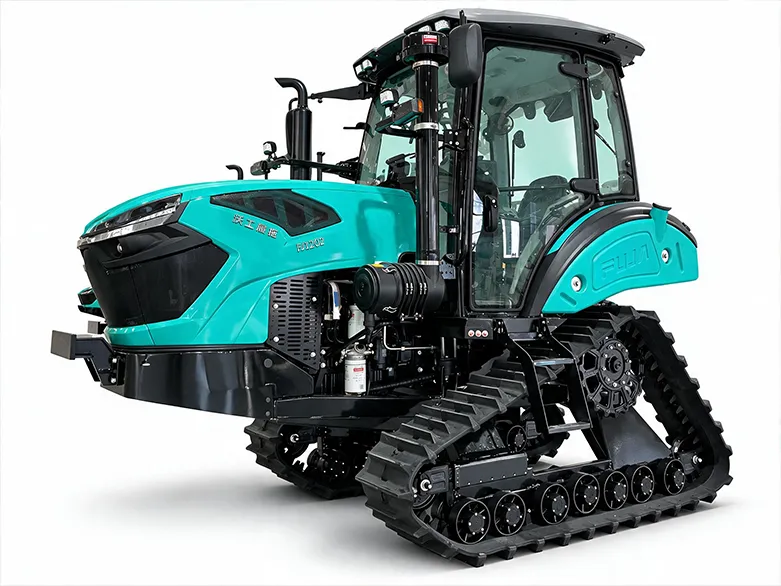
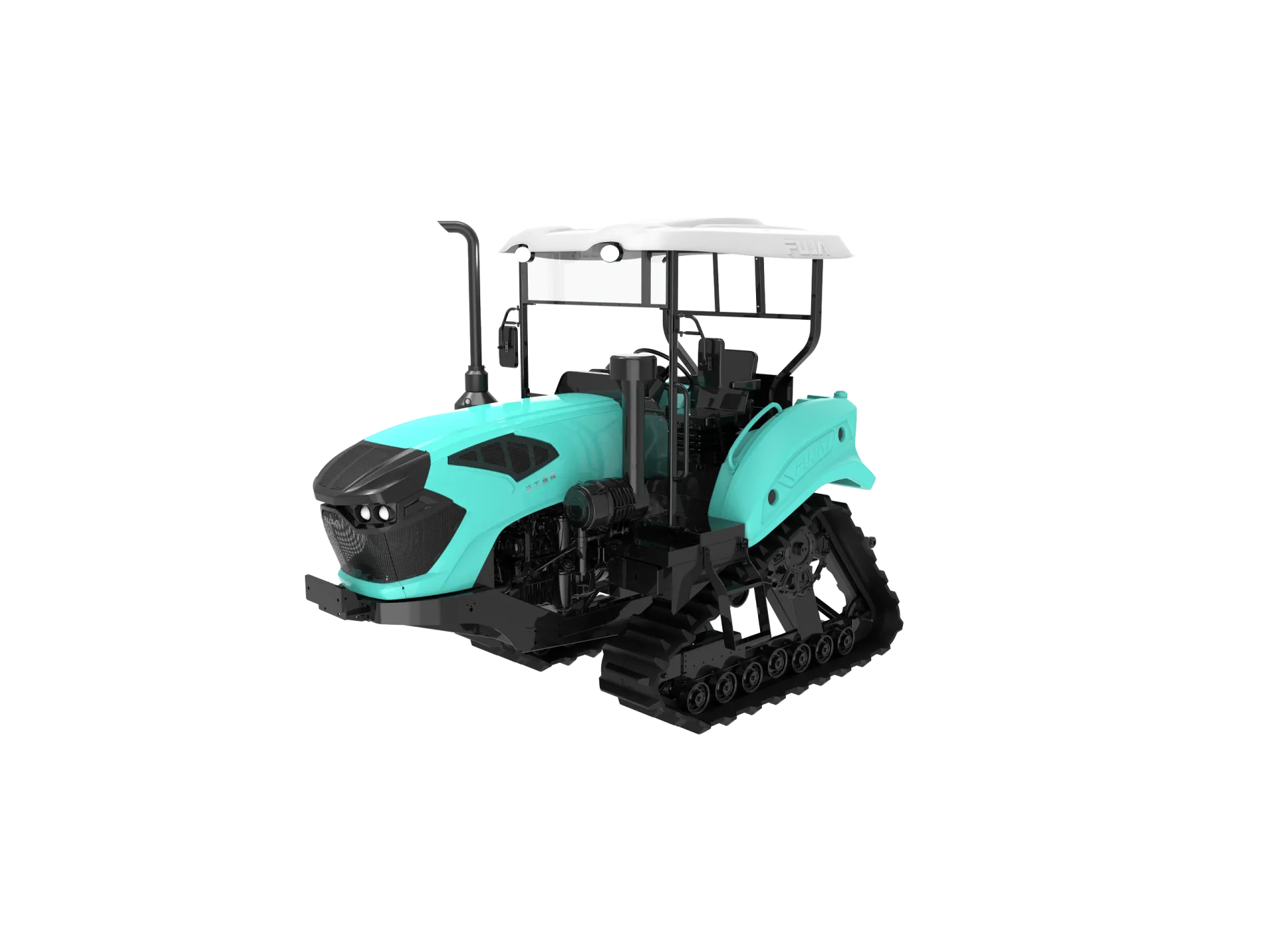
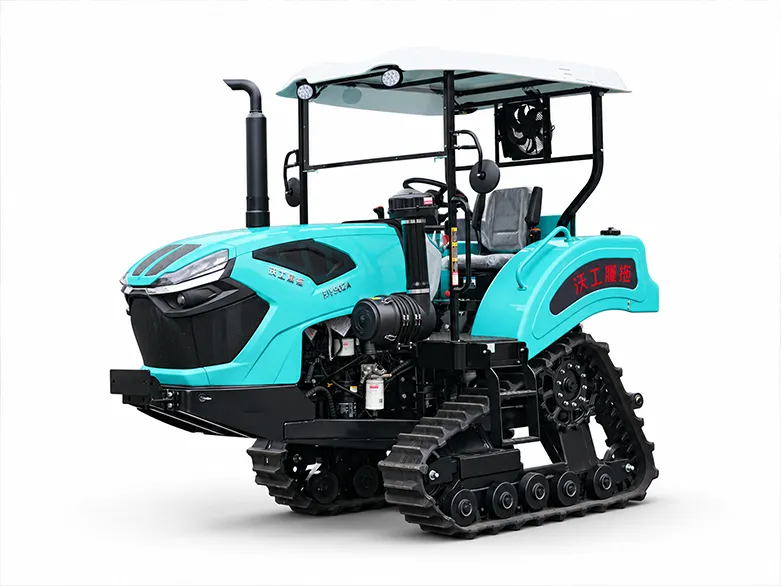
The defining feature of tracked tractors is the crawler undercarriage. Instead of relying on two or four pneumatic tires, the machine drives through continuous track assemblies that remain in contact with the ground over a longer footprint. The engine and transmission generate rotational force; the final drive sends that force to the track drive components; and the track then moves the tractor while distributing machine weight across the contact area. This arrangement explains why tracked equipment is often considered for soft soil, wet fields, or uneven terrain. It does not remove the need to check ground pressure, track width, chassis clearance, drawbar capacity, or steering behavior. A wider track may affect transport width, while a heavier machine may improve stability in one task and increase soil loading in another. The exact undercarriage construction, suspension arrangement, steering system, and service points vary by model. For this product inquiry, those details should come from the relevant technical drawing or datasheet. The manufacturer’s intelligent R&D focus can support a practical review of these engineering points before a buyer selects a configuration for Philippine farm work.