Home » Vegetable Seeding and Sowing Line

Vegetable Seeding and Sowing Line for Your Operation

Vegetable Seeding and Sowing Line

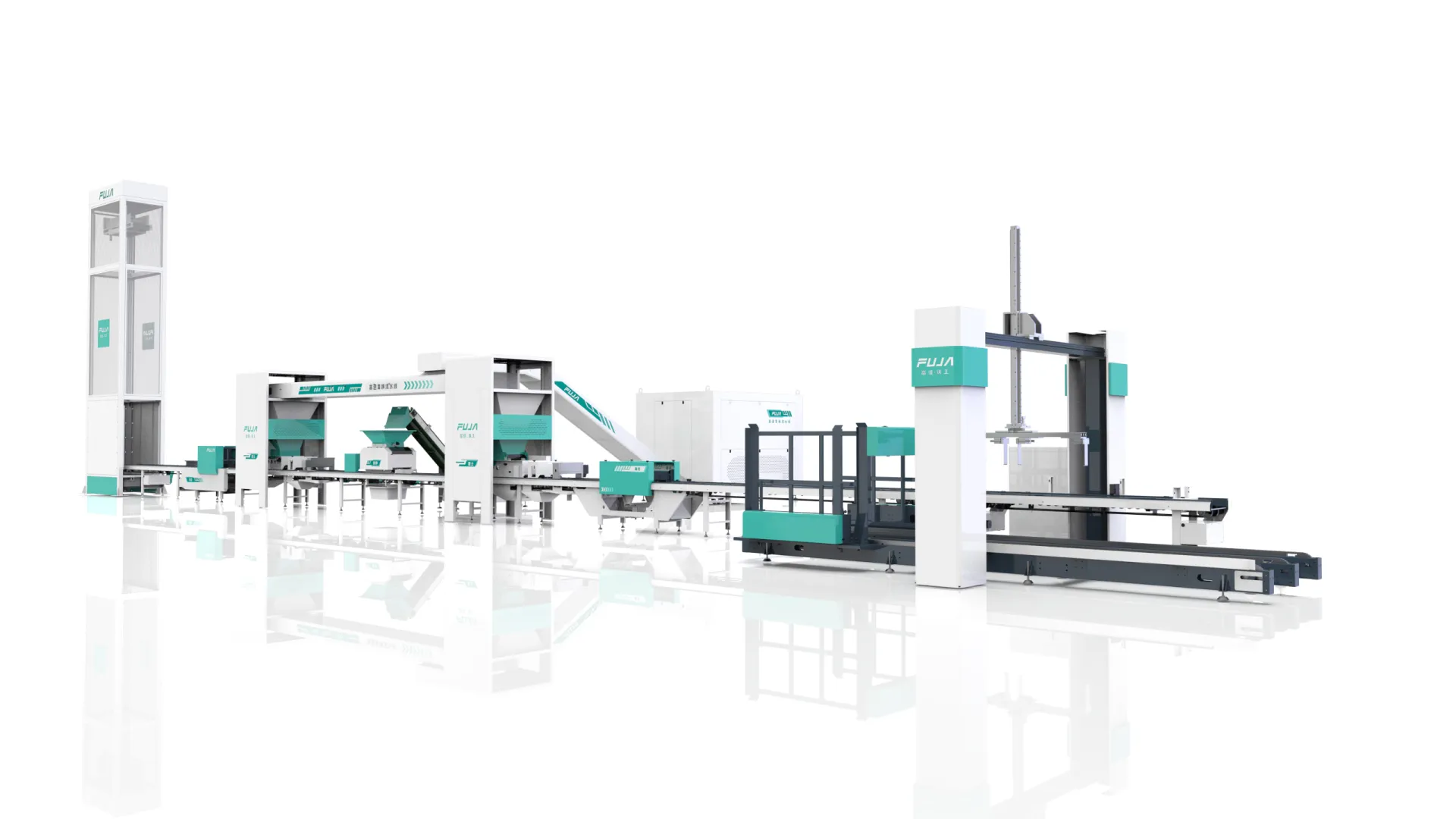
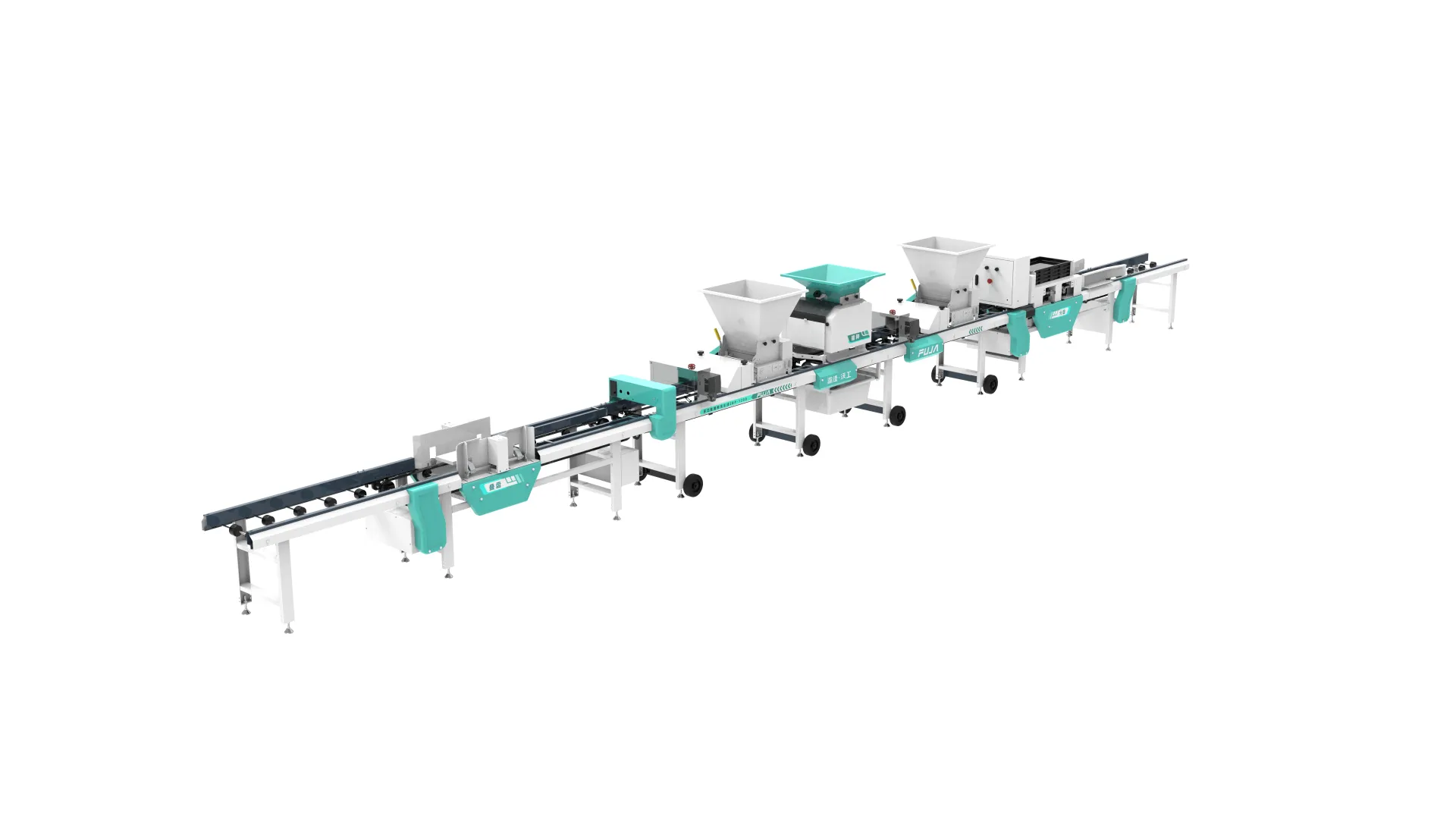
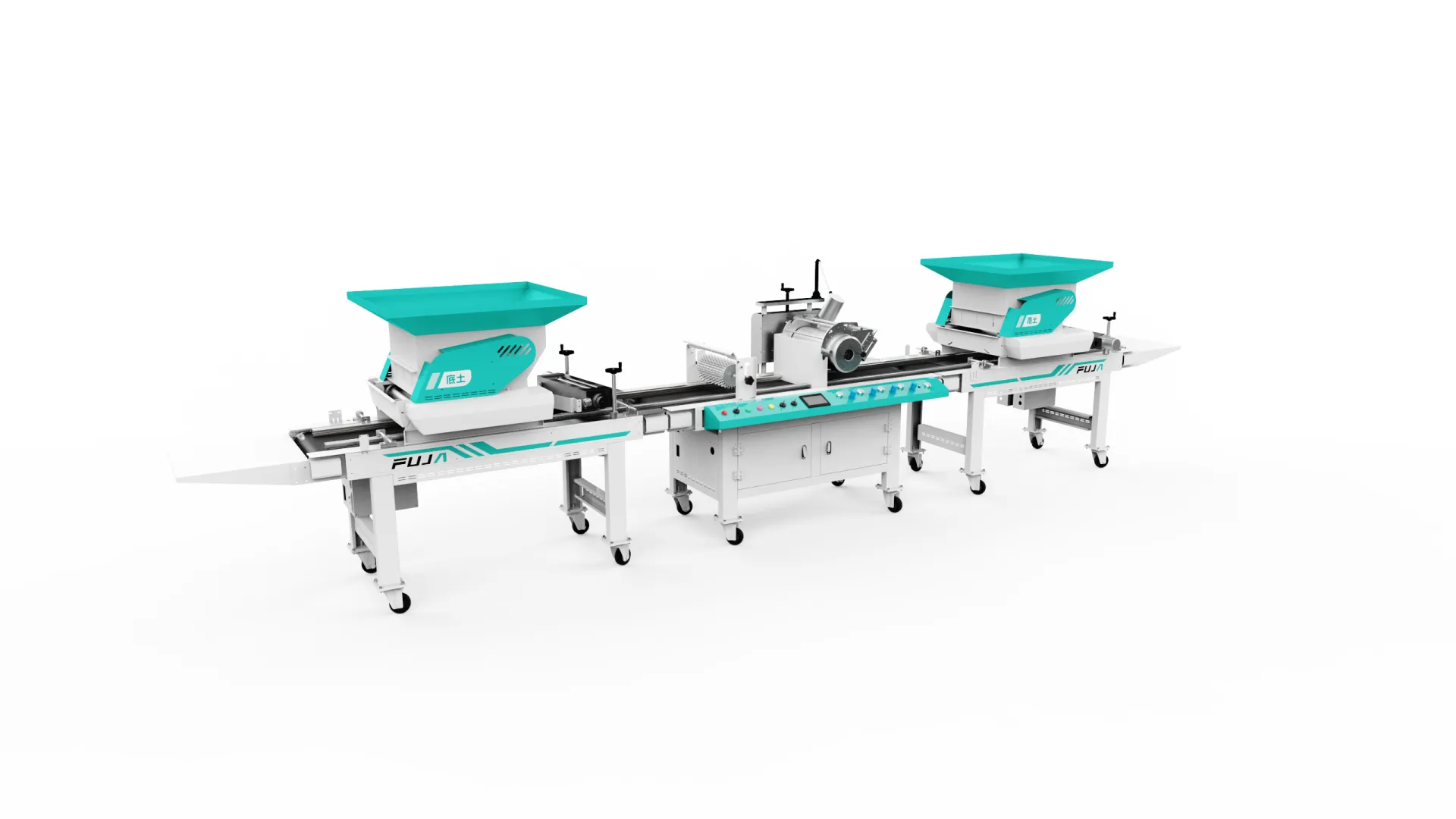
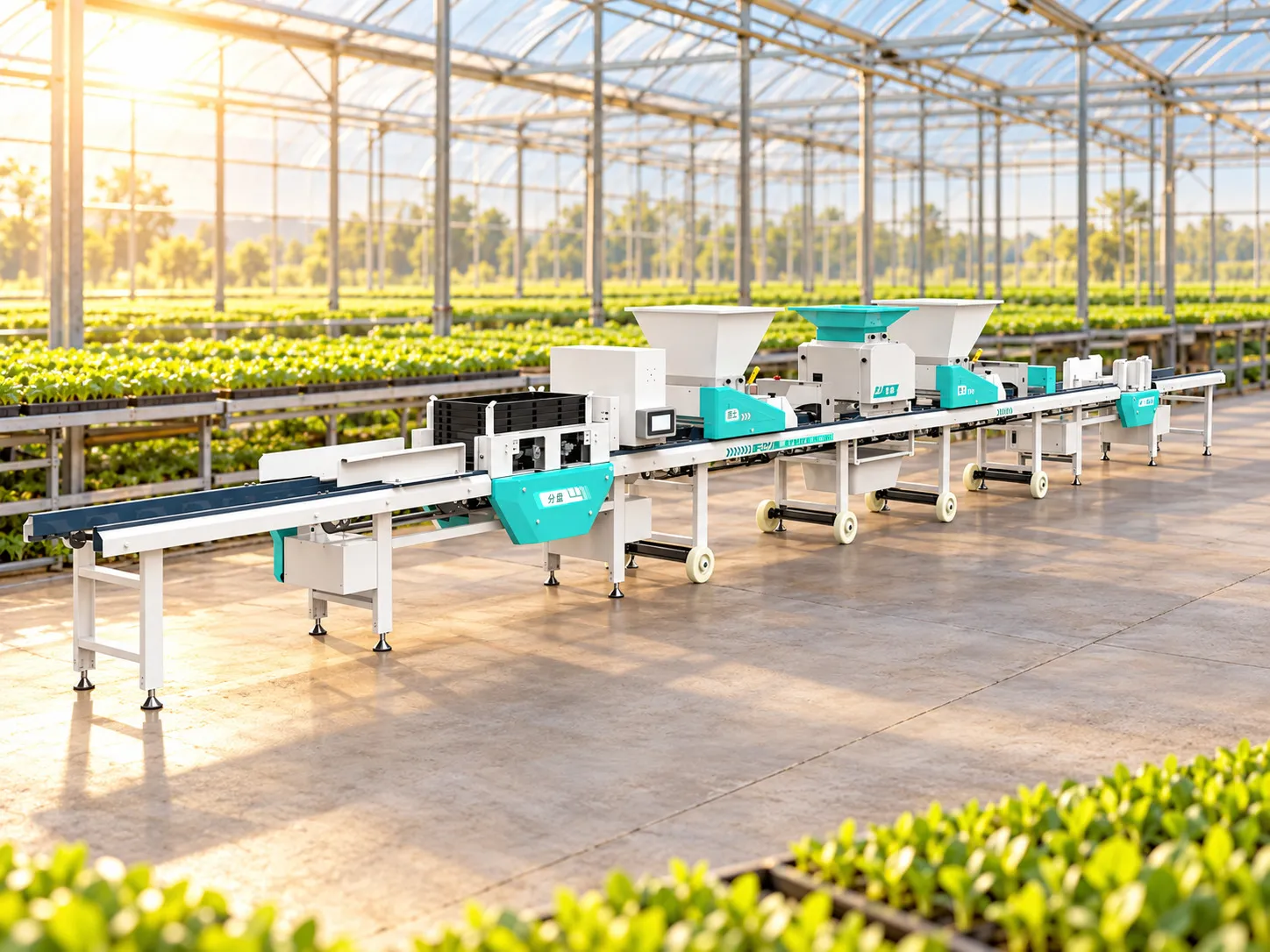
A Vegetable Seeding and Sowing Line is a coordinated machinery setup for placing vegetable seeds during crop establishment. It is intended for growers, nurseries, contractors, and agricultural businesses evaluating a more organized seeding process. The right setup depends on what is being seeded and where the work takes place: crop species, seed characteristics, bed or row layout, soil conditions, available power, and the level of automation required all affect suitability. No machine specifications or configuration details have been provided for this product, so operating capacity, compatible seed types, working width, and included components should be confirmed before comparing options. Agricultural Machinery Manufacturer & Supplier presents itself as a high-end manufacturer with a 68,000 m2 smart manufacturing base, intelligent R&D, and global service. These brand details provide context for a supplier discussion, but do not establish the technical performance of a particular seeding line. Before requesting a proposal, prepare your crop list, planting pattern, expected operating conditions, and any integration requirements. This gives the supplier a practical basis for identifying what needs to be confirmed for your operation.

Technical Detail

Configured around process stability, mold life, and long-term uptime.

Vegetable Seeding and Sowing Line describes equipment arranged to carry out vegetable seed placement as part of crop establishment. Depending on the confirmed design, a line may combine material handling and seeding functions, but the available product information does not identify its components, mechanism, seed-metering method, or whether soil preparation is included. Buyers should therefore treat the product name as a category description rather than evidence of a particular machine layout or performance level. Agricultural Machinery Manufacturer & Supplier positions its operation around a 68,000 m2 smart manufacturing base, intelligent R&D, and precision-oriented smart manufacturing. The company also reports serving 150+ customers and lists CE among its credentials. These are brand-level statements; they do not confirm that a specific line configuration carries a particular certification or meets a given field requirement. For procurement, request the current technical documentation for the exact proposed setup. Confirm the machine’s working process, seed compatibility, adjustment method, power requirements, and any upstream or downstream equipment needed. Ask the supplier to distinguish standard components from optional configurations and to identify the operating conditions assumed in its technical response. Without verified data on capacity, dimensions, or compatible crops, those values should not be assumed from the product name. A documented configuration tied to your crop and field conditions is the appropriate basis for technical and commercial comparison.

Rice Seeding Machine

How a Vegetable Seeding Line Fits Into Crop Establishment

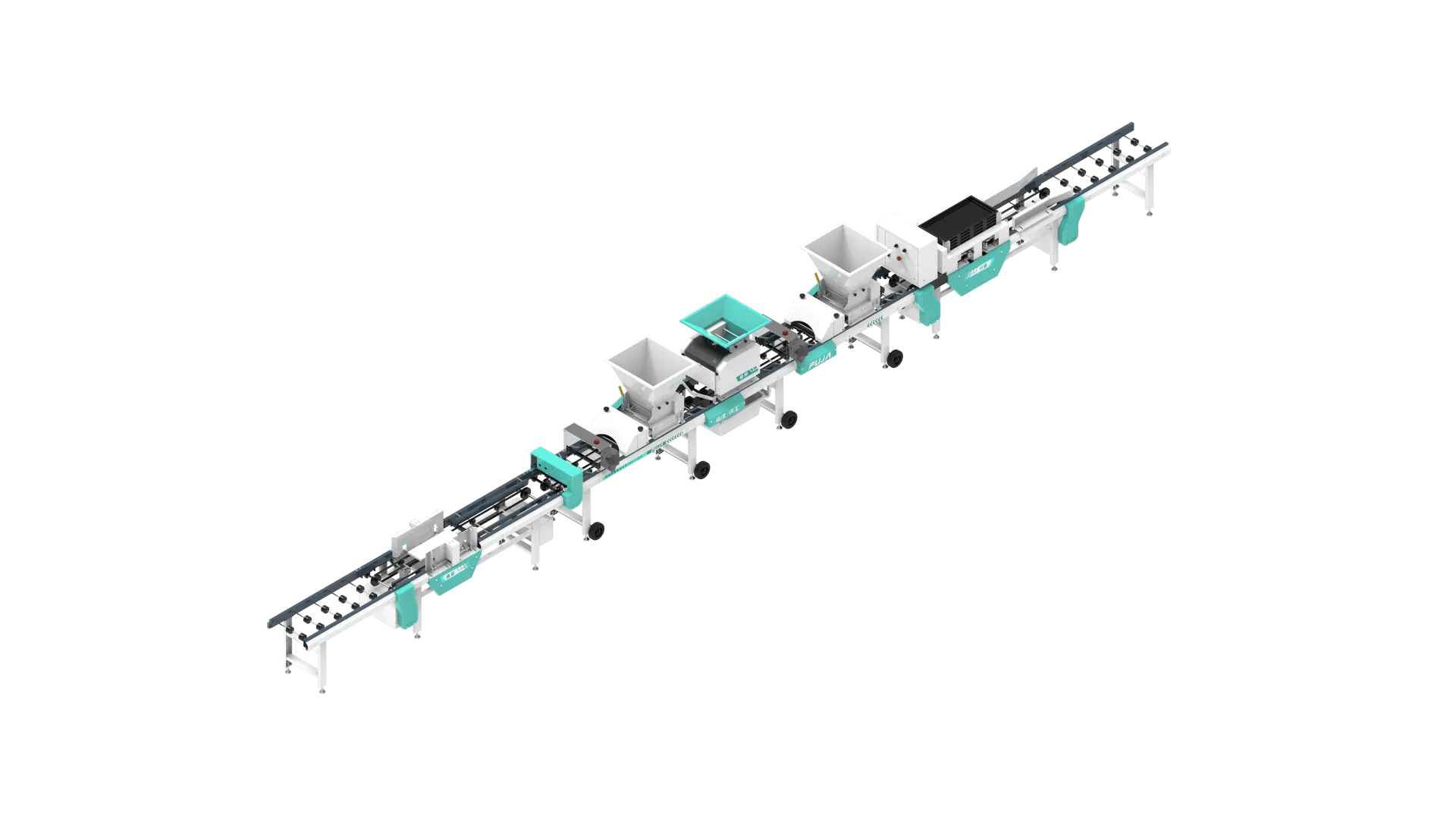
The purpose of a Vegetable Seeding and Sowing Line is to place seed according to a planned crop pattern. The exact mechanism matters: seed may be handled differently depending on seed size, shape, coating, and the required spacing, and the product information provided here does not specify which metering or delivery system this line uses. It also does not confirm whether the line includes bed formation, covering, or other operations beyond sowing. For a meaningful technical review, ask for a process description or layout showing how seed moves through the proposed equipment and which stages are handled by the line. Agricultural Machinery Manufacturer & Supplier describes its R&D approach as intelligent design for real-world challenges and its production approach as smart manufacturing. Those statements describe the company’s stated capabilities, not a verified mechanism for this particular product. Request drawings, operating instructions, and a component list for the configuration under consideration. These documents can clarify how adjustments are made, which parts contact or meter seed, and what supporting equipment is required. Until that information is available, avoid assuming a specific architecture based only on the phrase “seeding line.”

Rice Seeding Machine

Check Field and Crop Conditions Before Assessing Fit

A seeding line is only suitable when its confirmed operating range matches the crop and field conditions. Start with the crop species and seed characteristics, then record the intended row or bed arrangement, soil preparation state, field surface, and the conditions under which sowing will take place. These details help expose possible mismatches: seed that the metering system cannot handle, a field layout incompatible with the machine, or a workflow that depends on equipment not included in the proposed line. No crop list, working width, soil limits, or environmental operating range has been supplied for this product, so suitability cannot be stated for a particular farm or crop. Ask the supplier to confirm each relevant condition in writing and identify any limits or assumptions. If the operation includes several vegetable crops, assess them separately rather than treating “vegetables” as one uniform seed category. The manufacturer reports global service and 150+ customers, but those general company details do not establish that this line has been tested in your specific crop or region. Use your own crop and field records to frame the assessment, and request evidence or technical clarification where compatibility is uncertain.

Rice Seeding Machine

Prepare a Configuration Request That Can Be Answered

Before requesting a configuration or quotation, assemble a concise operating brief. Include the vegetable crops and seed types, planting pattern, field or nursery conditions, planned work sequence, available tractor or power source if relevant, and any existing equipment the line must connect with. State whether you need sowing alone or expect related operations to be included; the product information does not clarify the scope. Ask the supplier to identify the proposed model or configuration, standard and optional components, adjustment provisions, installation needs, and the technical documents available for review. Also request confirmation of capacity, dimensions, power requirements, compatible seed types, and any operating limitations rather than filling gaps with estimates. Agricultural Machinery Manufacturer & Supplier lists intelligent R&D and global service, which may be useful points to discuss when clarifying technical requirements and support arrangements. Its CE credential should be checked against the exact equipment and destination market during procurement. A written response that maps each requirement to a confirmed product detail makes it easier to compare proposals and identify unresolved questions before purchase.

News

Industry updates

Products

Production modules

Why Choose Us

A Manufacturing Partner With Stated R&D and Global Reach

Agricultural Machinery Manufacturer & Supplier describes a 68,000 m2 smart manufacturing base and an intelligent R&D function focused on practical agricultural challenges. For buyers assessing a Vegetable Seeding and Sowing Line, these capabilities are relevant starting points for discussing how requirements are translated into a proposed configuration. The company also reports serving 150+ customers and identifies global service as part of its offer. These statements provide background on its manufacturing and support positioning, but they are not substitutes for product-specific documentation, reference checks, or a clear service scope for the destination market. The brand lists CE among its credentials; buyers should verify which equipment and configuration the documentation covers and whether it satisfies applicable requirements in their market. During supplier evaluation, request a technical response based on your crop and field brief, a component list, and clarification of available service and documentation. That process helps establish whether the company’s stated R&D, manufacturing, and global-service capabilities align with your project. No performance figures, warranty terms, delivery commitments, or named customer cases are provided here, so those details should be confirmed directly rather than assumed.

FAQ

Common technical questions

What information should I send to get a suitable line configuration?

Provide your crop and seed list, planting pattern, field or nursery conditions, work sequence, available power source if relevant, and any equipment the line must integrate with. Ask the supplier to map its proposed configuration to each requirement.

Can one Vegetable Seeding and Sowing Line handle different vegetable seeds?

That depends on the confirmed seed-metering design and adjustment range, neither of which is specified in the available product information. Ask for compatibility details for each seed type you plan to use.

Does the line include bed preparation or seed covering?

The supplied information does not define the line’s included operations. Request a process layout and component list that clearly separates included equipment from optional or separately supplied machinery.

Which technical details should I verify before comparing proposals?

Confirm capacity, working dimensions, power requirements, compatible seeds, adjustment method, included components, and operating limits for the exact configuration. These product specifications have not been provided here, so they should come from the supplier’s current documentation.

Need a solution for your project?

Share your product type, target capacity, and application requirements. Our team can review the details and recommend a practical next step.

Contact Us