

Home » mini crawler tractor in Kenya

Mini Crawler Tractor in Kenya: Check the Right Fit

mini crawler tractor in Kenya

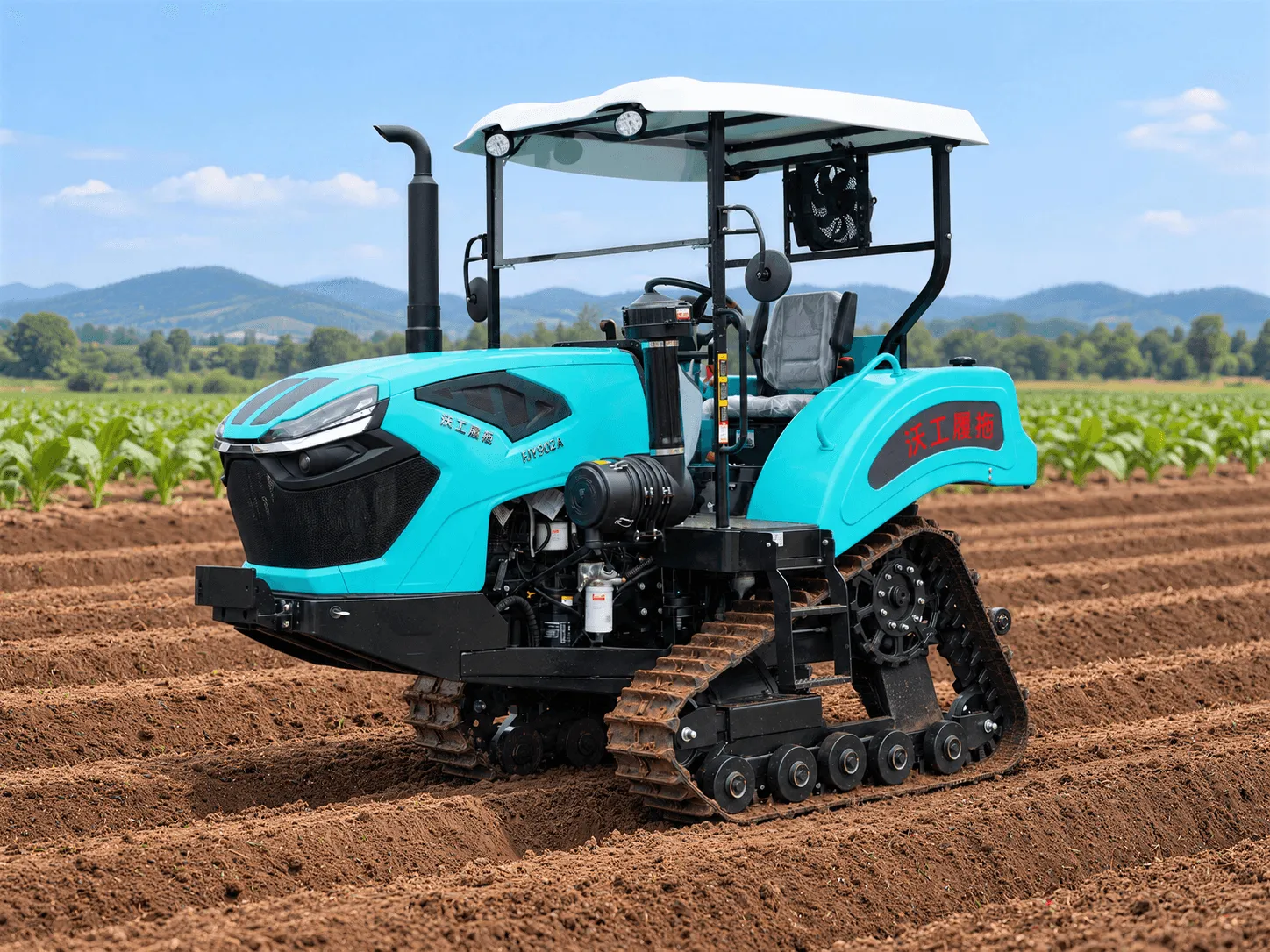
A mini crawler tractor in Kenya may interest farms and agricultural businesses that need compact machinery for work on terrain where traction and access matter. The phrase describes a small tractor using tracks rather than conventional wheels, but it does not identify a specific model, engine, working width, or attachment. Those details are essential before deciding whether a machine fits a particular farm. Agricultural Machinery Manufacturer & Supplier brings an innovation-led approach, supported by a 68,000 m2 smart manufacturing base, intelligent R&D, and a stated customer base of more than 150. The available information does not include a crawler tractor specification sheet, so buyers should treat this page as an initial product-fit discussion, not a confirmed technical offer. Start by outlining your land conditions, intended tasks, access constraints, and any implements you expect to use. Then confirm the available model, dimensions, operating specifications, configuration, and documentation with the supplier. This helps establish whether a proposed machine suits your work before you move to a quotation or purchasing decision.

Technical Detail

Configured around process stability, mold life, and long-term uptime.

A mini crawler tractor is generally understood as a compact tractor that moves on continuous tracks. The tracks distribute the machine's weight over a larger contact area than many conventional tires, which can help provide traction on some soft or uneven ground. Actual performance depends on the machine's design, soil, slope, load, and operating conditions; the term alone does not establish those capabilities. For a buyer searching for a mini crawler tractor in Kenya, the first task is to verify what model and configuration the supplier can actually provide. No product-specific engine rating, operating weight, dimensions, speed, ground pressure, or attachment list has been supplied for this page, so none should be assumed. Agricultural Machinery Manufacturer & Supplier describes its operation as a 68,000 m2 smart manufacturing base and identifies intelligent R&D as a means of designing for practical challenges. The company also states that it serves more than 150 customers and lists CE certification. Buyers should confirm which product and market documentation the certification applies to before relying on it for a particular machine. A useful first inquiry should distinguish the requested tractor from other tracked equipment and state the farm tasks it must perform. Ask for a current datasheet, machine photographs, available configurations, and confirmation of the intended operating conditions. With those details, the product can be assessed against the work rather than its name alone.

Hilly and Mountainous Areas Crawler Tractor

How a Tracked Tractor Differs in Basic Layout

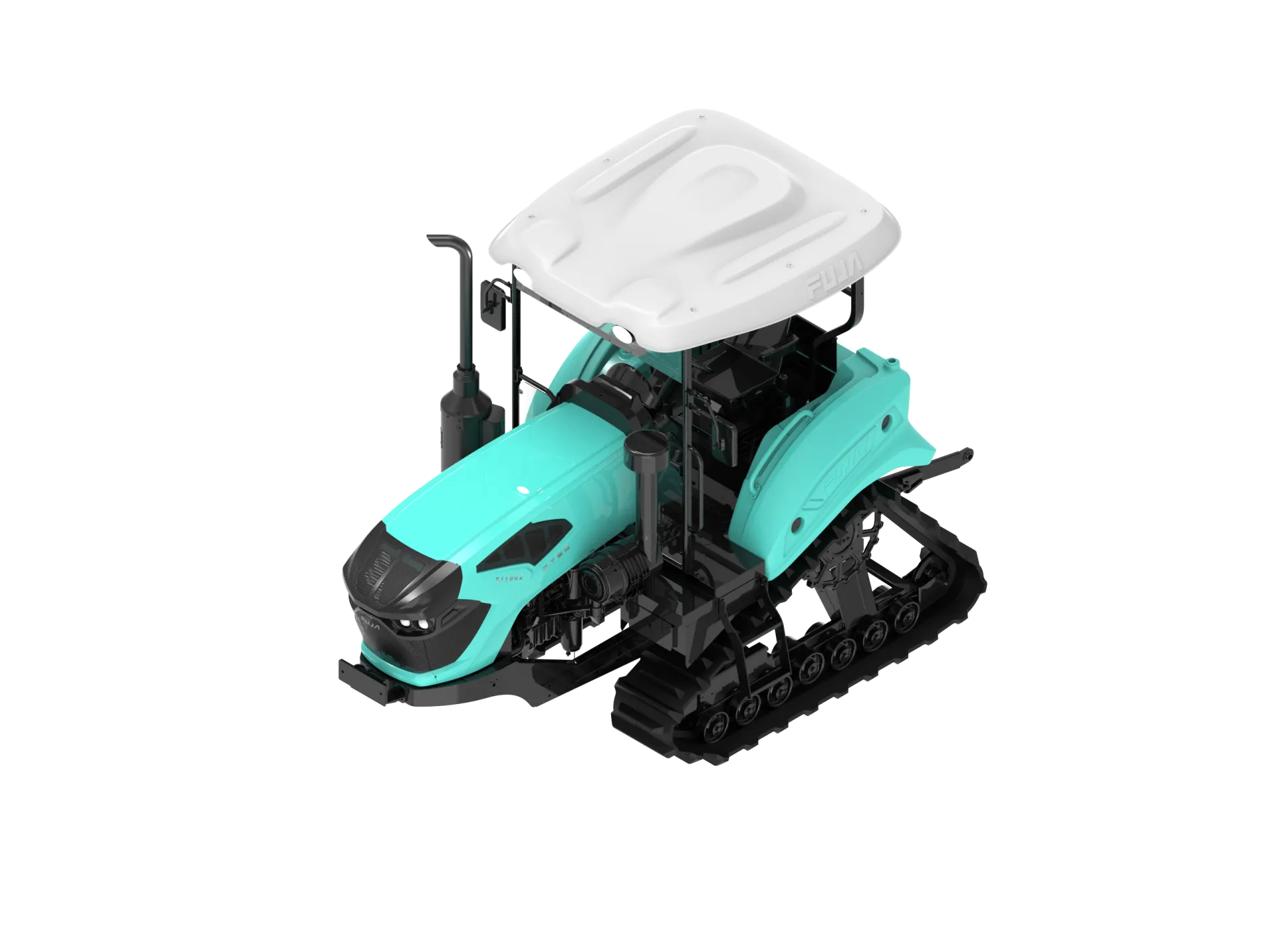
A crawler tractor uses linked track assemblies on each side in place of the usual arrangement of steering wheels and driven tires. As the tracks circulate around their supporting components, the machine moves forward or backward; steering commonly relies on changing the drive or resistance between the two sides. This is a general description of tracked tractor design, not a confirmed specification for a particular machine offered by Agricultural Machinery Manufacturer & Supplier. Track width, contact length, drive layout, ground clearance, and the way an implement connects can vary substantially between models. Those differences affect turning behavior, soil contact, transport dimensions, and what work the tractor can perform. For a mini crawler tractor in Kenya, the word “mini” does not provide a reliable measurement of width, weight, or power. Ask the supplier to identify the exact model and provide a drawing or datasheet showing its main dimensions and track arrangement. Also confirm how implements are mounted and driven, if attachments are part of the intended setup. The manufacturer cites intelligent R&D and a smart manufacturing base, but product-level construction details still need to come from the specific model documentation.

Hilly and Mountainous Areas Crawler Tractor

Check the Terrain and Workload Before Assuming Fit

Tracked movement may be relevant where a farm has soft or uneven ground, but track design alone cannot confirm suitability. Soil bearing strength, slope, drainage, turning space, crop rows, access routes, and the load carried or pulled all influence whether a machine can work safely and efficiently. A tractor suitable for open land may be awkward in narrow rows or near buildings; a machine with a low profile may face different clearance limits from a taller one. The available information does not state the operating limits of a specific mini crawler tractor, so do not assume a safe slope, soil condition, payload, or working capacity. Describe the actual site to the supplier: wet or dry periods, typical gradients, tightest turning area, field access width, and the jobs planned. Ask which limits are documented for the proposed model and whether those limits change with an attachment. Agricultural Machinery Manufacturer & Supplier identifies its design approach as focused on real-world challenges, but the buyer still needs model-specific evidence. A fit decision should be based on the stated operating envelope and your working conditions, not simply on the word “crawler” or a general claim about traction.

Hilly and Mountainous Areas Crawler Tractor

Prepare a Clear Request for Model and Quotation Details

Before requesting a quotation, send the supplier enough information to identify a workable configuration. State the main jobs, approximate field conditions, access or transport width restrictions, and whether you need the tractor alone or with implements. Include photos or a simple site sketch when terrain, clearance, or row spacing may affect fit. Then ask for the proposed model name, current technical datasheet, overall dimensions, operating weight, engine and drive details, stated working limits, and available attachment options. These are items to request, not specifications confirmed for the product. Ask the supplier to identify any assumptions behind its recommendation and to confirm what is included in the quoted configuration. The brand describes a 68,000 m2 smart manufacturing base, intelligent R&D, and service supporting farmers globally; confirm directly what support and documentation are available for your location and purchase. It also lists CE certification, so request the relevant product documentation and verify its scope rather than treating the label as proof of every local requirement. This checklist turns an initial search for a mini crawler tractor in Kenya into a practical, comparable inquiry without presuming model availability, price, lead time, or included services.

News

Industry updates

Products

Production modules

Why Choose Us

Manufacturing and R&D Backed by a Global Supplier

Agricultural Machinery Manufacturer & Supplier presents a manufacturing-led profile, with a stated 68,000 m2 smart manufacturing base and an intelligent R&D focus on practical design challenges. For a buyer considering a mini crawler tractor in Kenya, that information offers context about the supplier, but it does not replace inspection of the specific model's build details or performance documentation. The company also reports serving more than 150 customers, providing a broader business track record without identifying particular crawler tractor installations. Its stated global service orientation is relevant to an international inquiry; buyers should confirm what technical assistance, parts information, and after-sales support are available for the destination and product in question. CE certification is listed among the brand credentials, but the certificate's product scope and applicable documentation should be checked before purchase. A clear supplier conversation should therefore cover the exact machine, configuration, operating limits, certification documents, and support arrangements. This approach connects the company's manufacturing and R&D claims to verifiable information for the actual purchase, rather than relying on general brand statements.

FAQ

Common technical questions

What specifications should I compare between mini crawler tractor models?

Compare documented dimensions, operating weight, engine and drive details, track configuration, stated working limits, and compatible attachments. No model-specific figures are available here, so request current datasheets for the exact machines being considered.

Can a mini crawler tractor work on steep or waterlogged Kenyan farmland?

That depends on the model's documented operating limits and the site's soil, slope, drainage, load, and access. Share those conditions with the supplier and ask for written model-specific guidance; the general term “crawler” does not establish safe limits.

What information should I provide to get a suitable model recommendation?

Describe the intended jobs, terrain and seasonal conditions, tightest access width, slopes, turning space, and any implements required. Photos or a site sketch can help clarify constraints. Ask the supplier to state its assumptions and identify the model and configuration being proposed.

Does the listed CE certification confirm compliance for my purchase in Kenya?

Not by itself. The brand lists CE certification, but you should request the certificate or conformity documents for the exact product and confirm which requirements apply to your import and intended use.

Need a solution for your project?

Share your product type, target capacity, and application requirements. Our team can review the details and recommend a practical next step.

Contact Us




