Home » crawler tractors for agriculture

Crawler Tractors for Agriculture: Match Machine to Field

crawler tractors for agriculture

Crawler tractors for agriculture are considered where wheeled machines may struggle to maintain traction or distribute weight across soft, uneven ground. Whether a crawler tractor is suitable depends on the actual field conditions: soil strength and moisture, slope, turning space, workload, and the implements the machine must operate. A crawler configuration should not be treated as a universal answer for every farm. In confined plots, frequent road travel, or work requiring a specific implement interface, the wrong machine or setup can reduce productivity and add avoidable wear. As an agricultural machinery manufacturer and supplier, we approach application discussions around the work the machine must perform rather than assumptions about a typical farm. Our brand information describes a 68,000 m2 smart manufacturing base, intelligent R&D, and global service support, with CE listed among its certifications. Product-specific model data has not been provided here, so suitability and configuration should be confirmed against the intended field, implement, and operating conditions before purchase.

Technical Detail

Configured around process stability, mold life, and long-term uptime.

Agricultural work can involve soft fields, uneven ground, and changing traction conditions. Crawler tractors for agriculture may be worth considering when ground contact and the ability to work across the field matter more than frequent travel between distant sites. Actual performance depends on the tractor design, operating weight, track arrangement, power, and implement compatibility; none of those model specifications have been supplied for this page, so no capacity or performance figure should be assumed. Our agricultural machinery brand is positioned in the high-end segment and identifies a 68,000 m2 smart manufacturing base, intelligent R&D, and smart manufacturing as part of its approach. These are company-level attributes, not a substitute for a model datasheet or a field-specific assessment. CE is listed in the supplied brand information; buyers should confirm which exact machine and configuration the documentation covers. For an application review, describe the soil and its condition during the working season, the main tasks, expected workload, slopes, available turning space, and the implements involved. That information allows a supplier to check whether a crawler tractor configuration is appropriate and to identify missing technical details before a buying decision. Where the site requires substantial road travel or tight maneuvering, compare those demands with the machine’s documented capabilities rather than choosing by terrain alone.

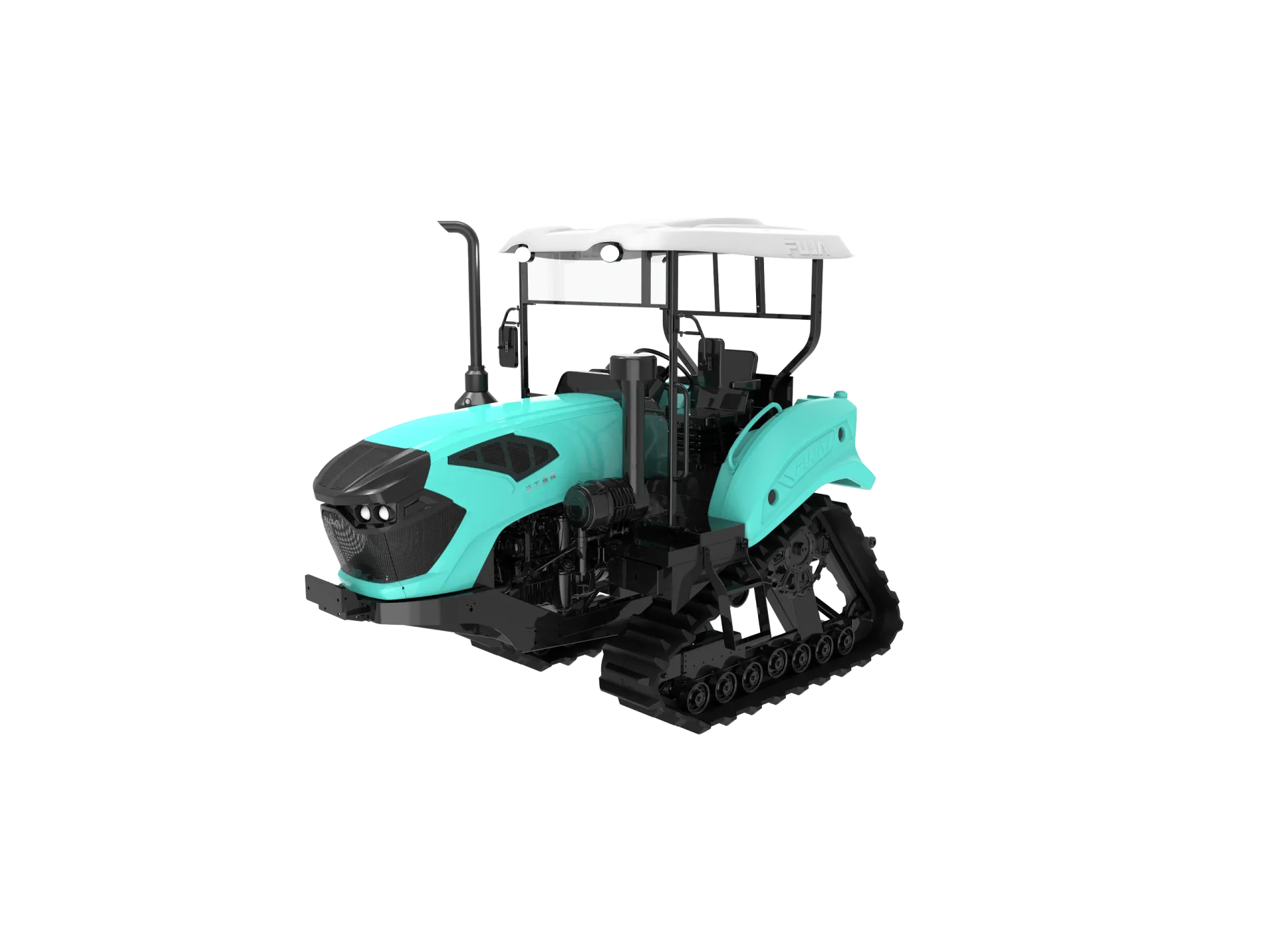
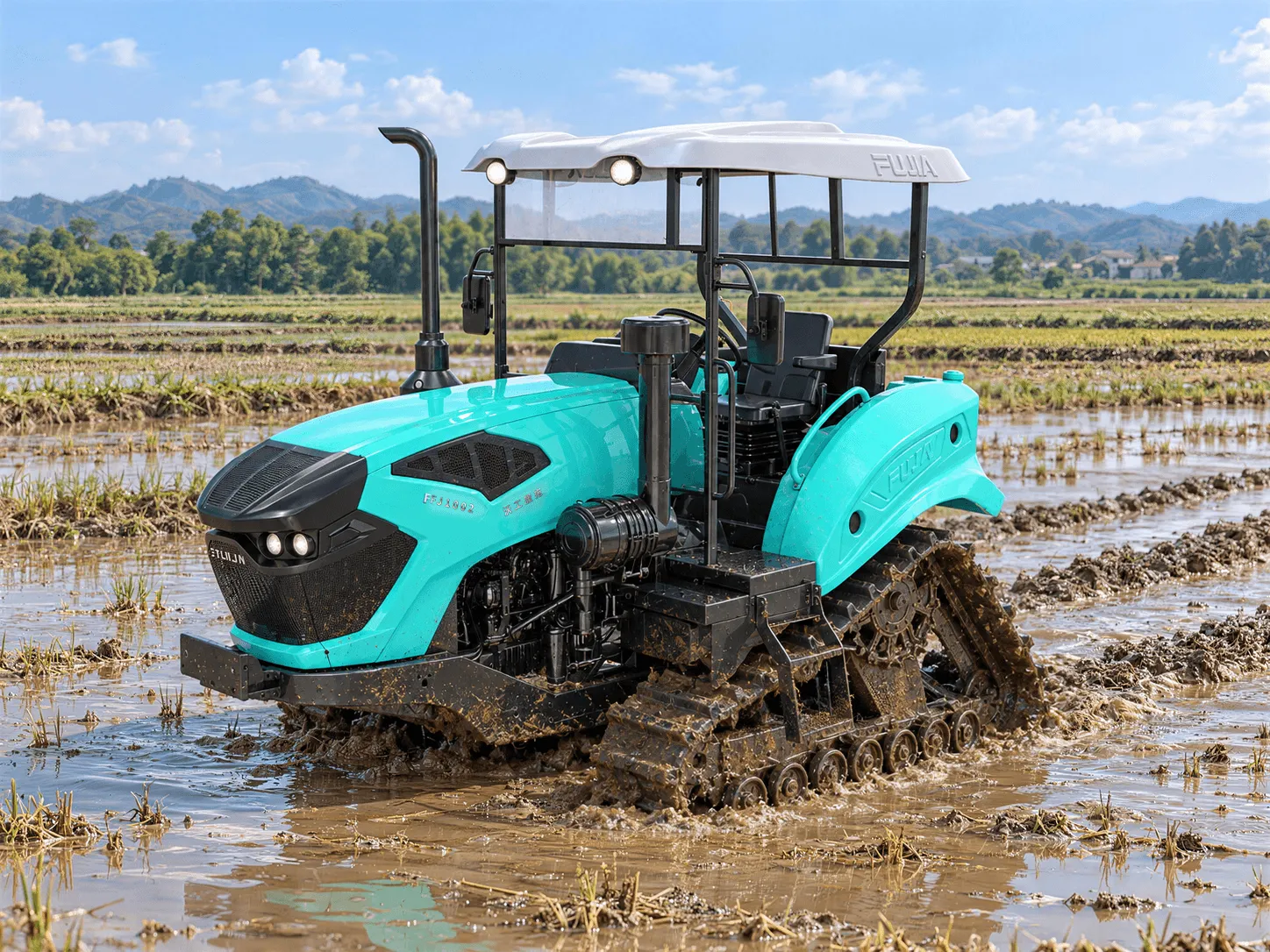
Paddy Field Crawler Tractor

How crawler tracks affect field operation

A crawler tractor uses tracks instead of conventional wheels to move across the ground. The track-ground contact area and the machine’s weight distribution influence traction and the pressure applied to the soil, but the result varies by model, track design, soil type, and moisture. Tracks do not automatically prevent soil compaction or guarantee movement on every soft surface. A wet field with weak bearing capacity presents a different challenge from firm ground with a steep incline, and a machine’s suitability must be checked for the conditions in which it will actually work. The implement matters too: pulling or powering an implement changes the load on the tractor and can affect traction and operating stability. Since no specific tractor construction details or pressure figures are available for the product in this brief, request the manufacturer’s technical data rather than relying on general claims about crawler machines. A useful technical discussion should cover the tractor’s operating weight, track dimensions and configuration, powertrain, implement interface, and any stated limits for slope or ground conditions. Those details explain what the machine is designed to do; they are distinct from a general description of crawler tractors as a category.
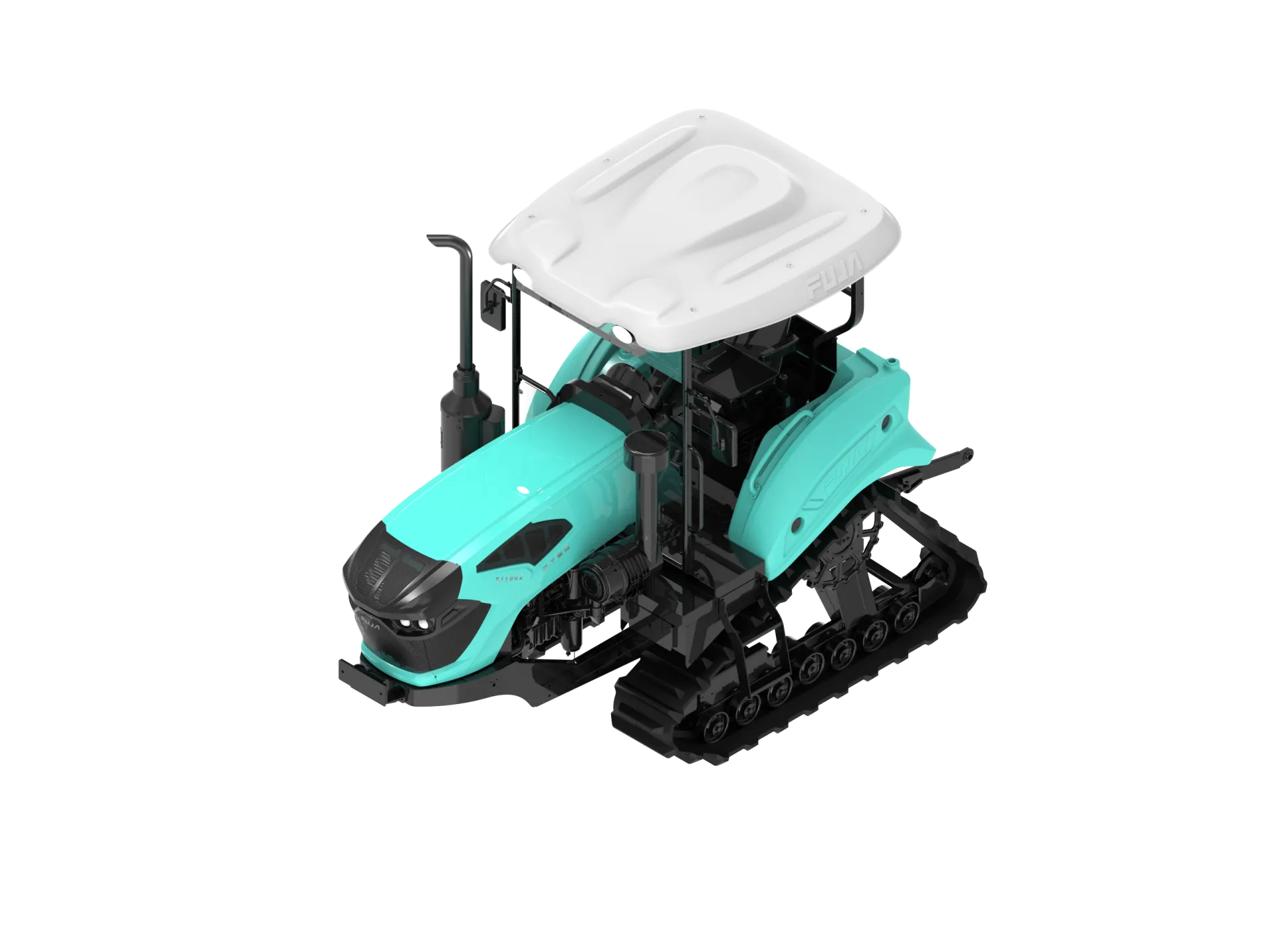

Paddy Field Crawler Tractor

Check field conditions before assuming a fit

Crawler tractors for agriculture may suit work on soft or uneven fields, but the field name alone is not enough to determine fit. Record the ground condition during the work period, including whether it becomes saturated, and note slope, obstacles, field entrances, headland width, and the distance between work areas. Then relate those conditions to the actual workload and implement. A tractor that can move across a field may still be a poor match if it cannot safely handle the required implement or turn within the available space. Road transfers also deserve attention: if the machine must travel frequently between separated plots, ask how the proposed configuration is intended to handle those movements and what operating limitations apply. Choosing on the assumption that tracks solve every traction or soil problem can lead to unsuitable equipment, restricted access, inefficient fieldwork, or additional wear. No model-specific operating limits have been provided here, so do not infer a safe slope, soil condition, or workload from the product category. Ask the supplier to assess the site description against the selected machine’s documented limits and flag any conditions that require a different setup or further technical review.

Paddy Field Crawler Tractor

Prepare a practical configuration enquiry

Before requesting a crawler tractor recommendation, prepare a short application brief. Include the main agricultural tasks, the soil and its seasonal condition, field slopes, narrowest access and turning points, expected working hours or workload, and any planned road travel. List each implement by type and, if known, its working width, operating requirements, and connection details. Ask the supplier to confirm compatibility with the proposed tractor model and to provide the relevant technical specifications, including power, operating weight, track configuration, and stated operating limits. These figures are not available in the supplied product information and should be confirmed for the exact configuration rather than assumed. Also request confirmation of which machine and configuration the CE documentation applies to. If operating conditions vary significantly across fields, share both the typical and the most demanding conditions so the recommendation does not reflect only an easy-use case. The brand identifies intelligent R&D, smart manufacturing, and global service support; buyers can use an enquiry to establish what technical documentation and support apply to their destination and application. A written confirmation of the intended tasks, implement fit, and operating conditions provides a clearer basis for comparing proposals.

News

Industry updates

Products

Production modules

Why Choose Us

Agricultural machinery backed by smart manufacturing

Our brand is positioned as a high-end agricultural machinery manufacturer and supplier, with a stated 68,000 m2 smart manufacturing base. For buyers evaluating crawler tractors for agriculture, that manufacturing focus is relevant when they need a supplier conversation grounded in how equipment is designed and built, while model-level specifications still need to be checked for the intended application. The company also identifies intelligent R&D focused on real-world challenges and smart manufacturing aimed at consistent production. These capabilities are brand-provided information; they should be assessed alongside the technical file for the specific tractor being considered. The brand reports serving more than 150 customers, a company-level figure that does not establish suitability for any individual farm or operating condition. CE is listed among its certifications, so buyers should verify the applicable declaration and machine configuration during procurement. Global service support is also stated by the brand. Before committing, ask what documentation, technical assistance, and service arrangements are available for the destination market and the specific product. This keeps the discussion tied to verifiable product and support details rather than broad assurances.

FAQ

Common technical questions

What information should I provide to check whether a crawler tractor will fit my farm?

Describe the soil and its condition when the tractor will work, slopes, access and turning space, main tasks, workload, planned implements, and any road travel. The supplier should compare these details with the specifications and operating limits of the exact model.

Are crawler tractors suitable for wet fields?

They may be considered for some soft-ground conditions, but suitability depends on soil strength, moisture, machine design, load, and implement. Ask for model-specific operating guidance; the available information does not establish a wet-soil rating for a particular tractor.

Can I use my existing agricultural implements with a crawler tractor?

Do not assume compatibility from the tractor type alone. Provide the implement model or its connection and operating requirements, then ask the supplier to confirm interface, power, and workload compatibility for the proposed tractor.

What happens if I choose a crawler tractor based only on its ability to cross soft ground?

It may still be unsuitable for the implement, field access, turning space, slopes, or road movements involved. Those mismatches can restrict work or increase wear. Confirm the full application against the selected machine’s documented limits before purchase.

Need a solution for your project?

Share your product type, target capacity, and application requirements. Our team can review the details and recommend a practical next step.

Contact Us