

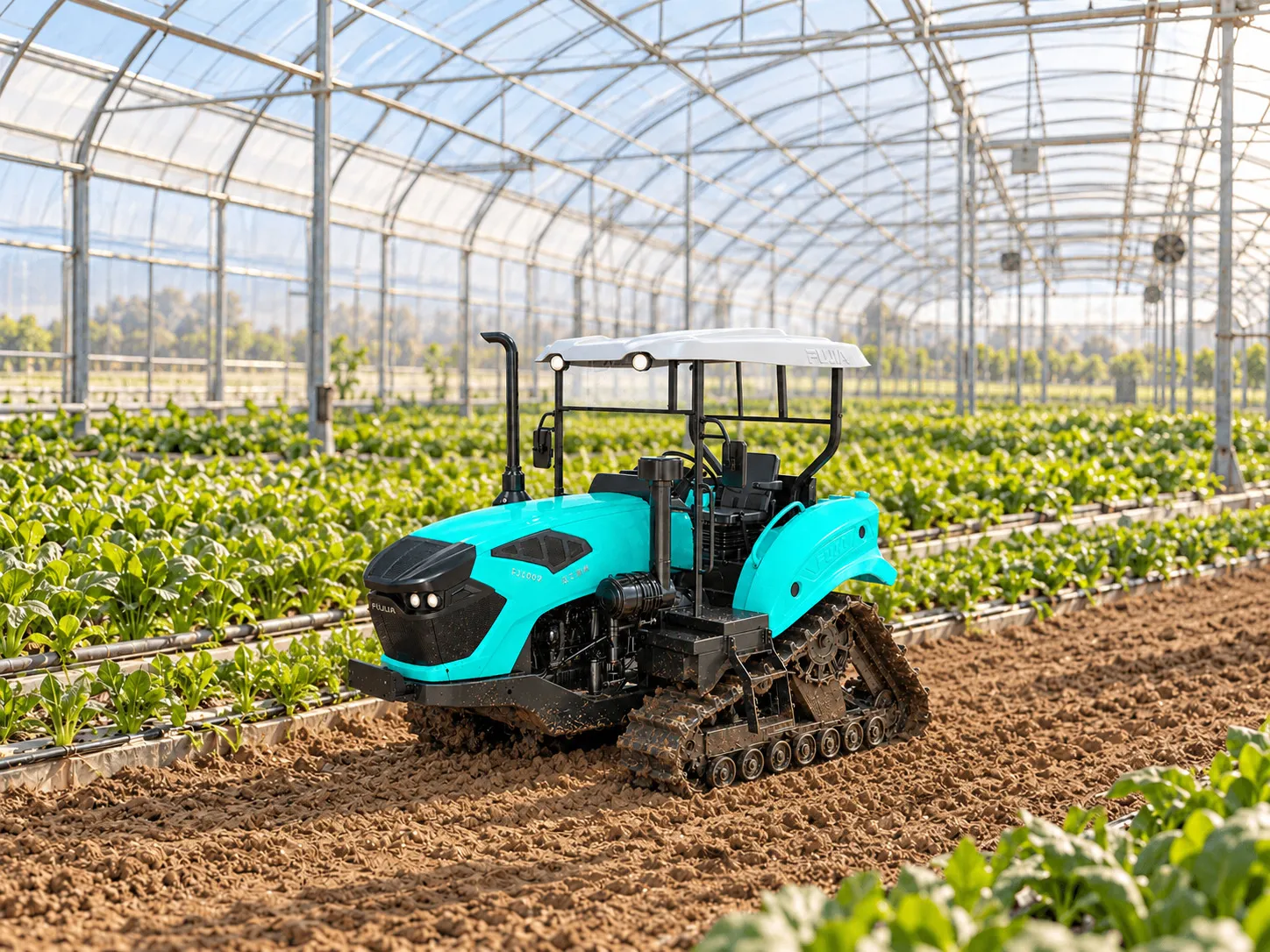
Home » crawler tractors in Philippines for agriculture

Crawler Tractors in Philippines for Agriculture

crawler tractors in Philippines for agriculture

Agricultural work in the Philippines can involve wet fields, uneven ground, narrow access routes, and changing conditions between planting and harvest. A crawler tractor may be worth evaluating where traction and ground contact matter, but the right choice depends on the actual site and workload. The phrase “crawler tractors in Philippines for agriculture” covers very different needs: a machine working in a rice field faces different operating conditions from one used on a sloped farm or for land preparation. No specific tractor model, engine rating, track dimensions, or attachment options have been provided here, so suitability should be confirmed against the intended machine’s technical data rather than assumed from the product category. As an agricultural machinery manufacturer and supplier, we bring intelligent R&D and a 68,000 m2 smart manufacturing base to equipment development. Use the guidance below to describe your terrain, tasks, and operating constraints before requesting a product recommendation.

Technical Detail

Configured around process stability, mold life, and long-term uptime.

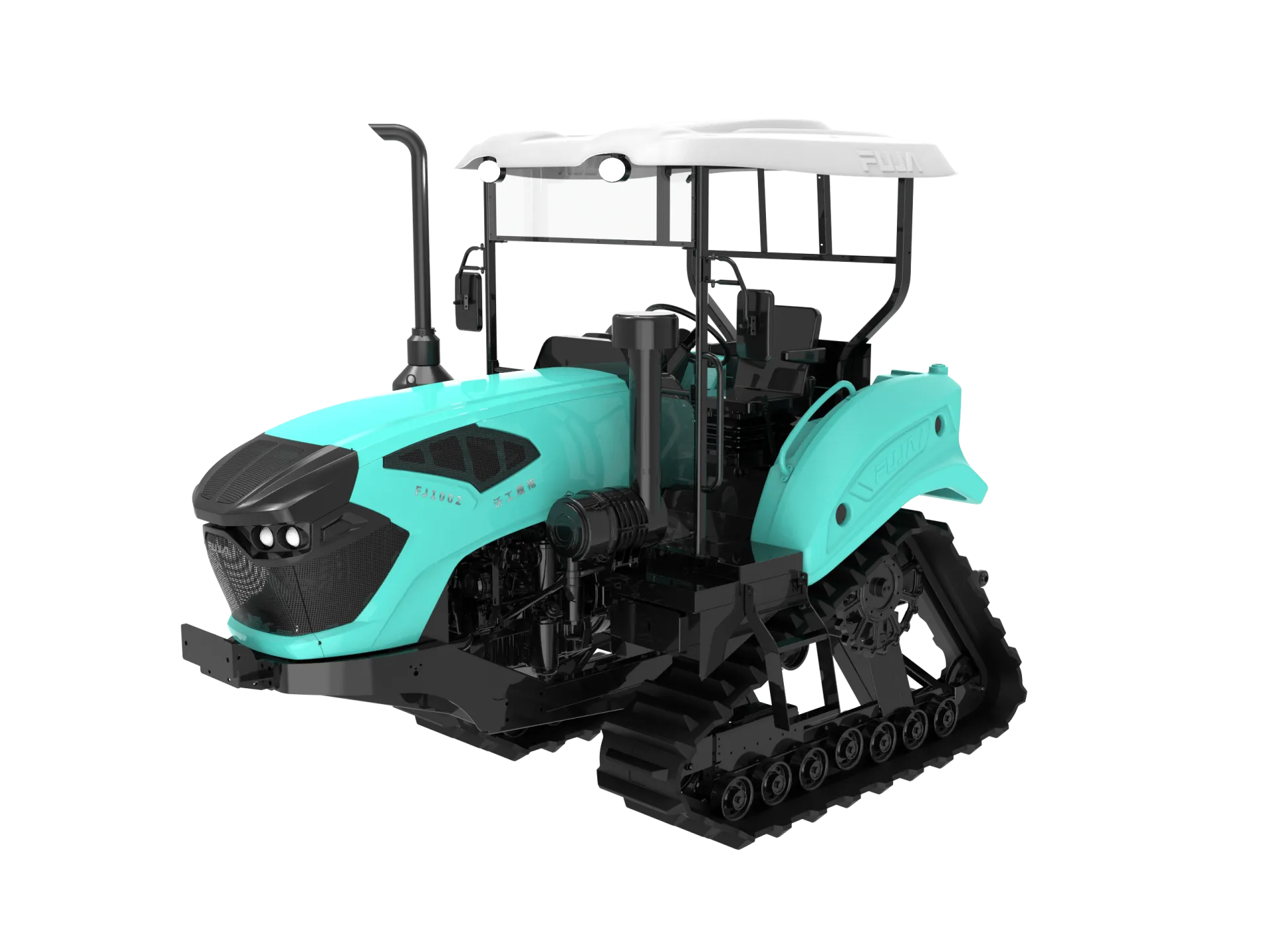
Crawler tractors use continuous tracks rather than wheels to move across the ground. For agricultural buyers, that design can be relevant when traction, ground contact, or movement over soft and uneven surfaces is a concern. It does not, by itself, establish that a particular tractor is suitable for every Philippine farm. The result depends on model-specific details such as operating weight, track configuration, power, ground clearance, and compatibility with the implement required for the job. Those specifications are not included in the information provided for this page, so we do not assign values or claim a particular field capacity. Our positioning combines agricultural machinery manufacturing with intelligent R&D focused on practical operating challenges. The company reports a 68,000 m2 smart manufacturing base and more than 150 customers. These figures describe the brand, not the performance of an unspecified crawler tractor. Buyers should request the technical sheet for the exact model under consideration and check that its stated capabilities match the intended work. CE is listed among the brand credentials; confirm that the specific product and configuration being quoted are covered by the relevant documentation. For a useful assessment, share the farm’s ground conditions, slopes, access width, working hours, and planned implements. This helps move the discussion from a general equipment category to a verifiable application match.

Intelligent Crawler Tractor

How Track Design Relates to Field Conditions

A crawler tractor moves on tracks that distribute contact along a longer ground footprint than a typical pair of wheels. This construction can be relevant on soft or irregular ground, where maintaining movement and limiting excessive sinking are practical concerns. The actual benefit depends on track width, machine weight, track design, soil condition, and how the tractor is operated; none of those model-specific details are available here. Track equipment should therefore be assessed as a system, not selected on the word “crawler” alone. In Philippine agriculture, field conditions can vary from firm access paths to saturated plots, and conditions may change with rainfall and the stage of cultivation. A machine suitable for one surface may be difficult to maneuver in another. Ask the supplier for the exact model’s operating weight, track dimensions, ground clearance, and recommended operating conditions. Also clarify whether published specifications apply to the quoted configuration. These details explain how the tractor is expected to interact with the ground and provide a sound basis for evaluating its use before considering any productivity claim.

Intelligent Crawler Tractor

Check Whether the Farm and Workload Fit

Start by describing where the tractor must travel and what it must do. Soft or waterlogged plots, slopes, compacted paths, and confined field entrances create different demands. Workload matters too: occasional movement between plots is not the same duty as sustained land preparation with an implement. A crawler tractor may be appropriate if the model’s documented operating limits and configuration suit those conditions, but the available brand information does not identify a model or specify its limits. Avoid treating track drive as proof that a machine can handle steep, deeply flooded, or otherwise demanding ground. A mismatch can lead to poor mobility, difficulty turning, excessive disturbance of the field, or avoidable stress on the tractor and implement. Before judging fit, record the steepest working slope, typical ground condition, access width, expected hours per day, and the task or implement involved. Ask the supplier to compare those facts with the exact model’s operating guidance. If the site changes substantially through the season, explain both the driest and wettest conditions rather than describing only an average day.

Intelligent Crawler Tractor

Prepare a Useful Request for a Tractor Configuration

A focused inquiry makes it easier to determine whether a crawler tractor is a match without assuming specifications that have not been confirmed. Provide the province or general operating location, a short description of the soil and field access, whether work involves slopes or standing water, and the main agricultural task. Include the implement name or its technical requirements if known, plus expected daily operating hours and any transport or storage constraints. Then request the exact model designation, technical sheet, operating weight, track dimensions, power details, compatible implements, and applicable operating limits. Ask which items are standard and which depend on configuration; the current information does not establish available attachments or customization options. If a specification is missing, request written confirmation before comparing offers. The manufacturer’s stated intelligent R&D and smart manufacturing capabilities provide context for discussing application requirements, but they do not replace model-level evidence. Finally, request the relevant CE documentation for the product and configuration being considered. This information gives both sides a clearer basis for assessing fit and identifying unanswered technical questions before moving toward procurement.

News

Industry updates

Products

Production modules

Why Choose Us

Agricultural Machinery Built Around Real Operating Questions

For buyers assessing crawler tractors in the Philippines, a useful supplier conversation starts with the field and workload rather than a broad performance promise. The brand identifies itself as an agricultural machinery manufacturer and supplier, with a 68,000 m2 smart manufacturing base and an intelligent R&D function focused on real-world challenges. Those capabilities give buyers a starting point for discussing how an application should be evaluated; model-specific specifications still need to be confirmed. The company also reports serving more than 150 customers, providing a broader base of agricultural machinery experience without implying that a particular customer used this tractor in a specific Philippine setting. CE is listed among the brand credentials, and buyers should verify the documents applicable to the exact model and configuration. Global service support is also part of the stated positioning. Before relying on any service arrangement, confirm the support channels and coverage relevant to your location. We aim to make technical discussions concrete: share your terrain, task, and implement requirements, then request the product data and documentation needed to judge compatibility.

FAQ

Common technical questions

What details should I compare between crawler tractor models?

Compare the exact model’s documented power, operating weight, track dimensions, ground clearance, operating limits, and implement compatibility. No model specifications are supplied here, so request the current technical sheet and confirm that it matches the configuration being quoted.

Can a crawler tractor work on a Philippine rice farm?

It may suit some rice-farm tasks, but suitability depends on the field’s soil, water conditions, access, slope, task, and the tractor’s stated operating limits. Provide those details to the supplier and verify the model’s guidance before assuming it can operate in saturated or flooded plots.

What should I provide when asking for a recommendation?

Describe the terrain in both wet and dry conditions, the main task, the steepest slope, access width, expected daily hours, and any implement you plan to use. Ask for the exact model specifications, compatible implements, operating limitations, and applicable CE documents.

How can I reduce the risk of choosing an unsuitable tractor?

Do not select by track type alone. Match the model’s documented limits and implement compatibility to the field and workload, and ask the supplier to address any conditions that are outside or unclear in the technical sheet before procurement.

Need a solution for your project?

Share your product type, target capacity, and application requirements. Our team can review the details and recommend a practical next step.

Contact Us




