EN
 HR

How Tracks Affect Traction, Ground Contact and Steering
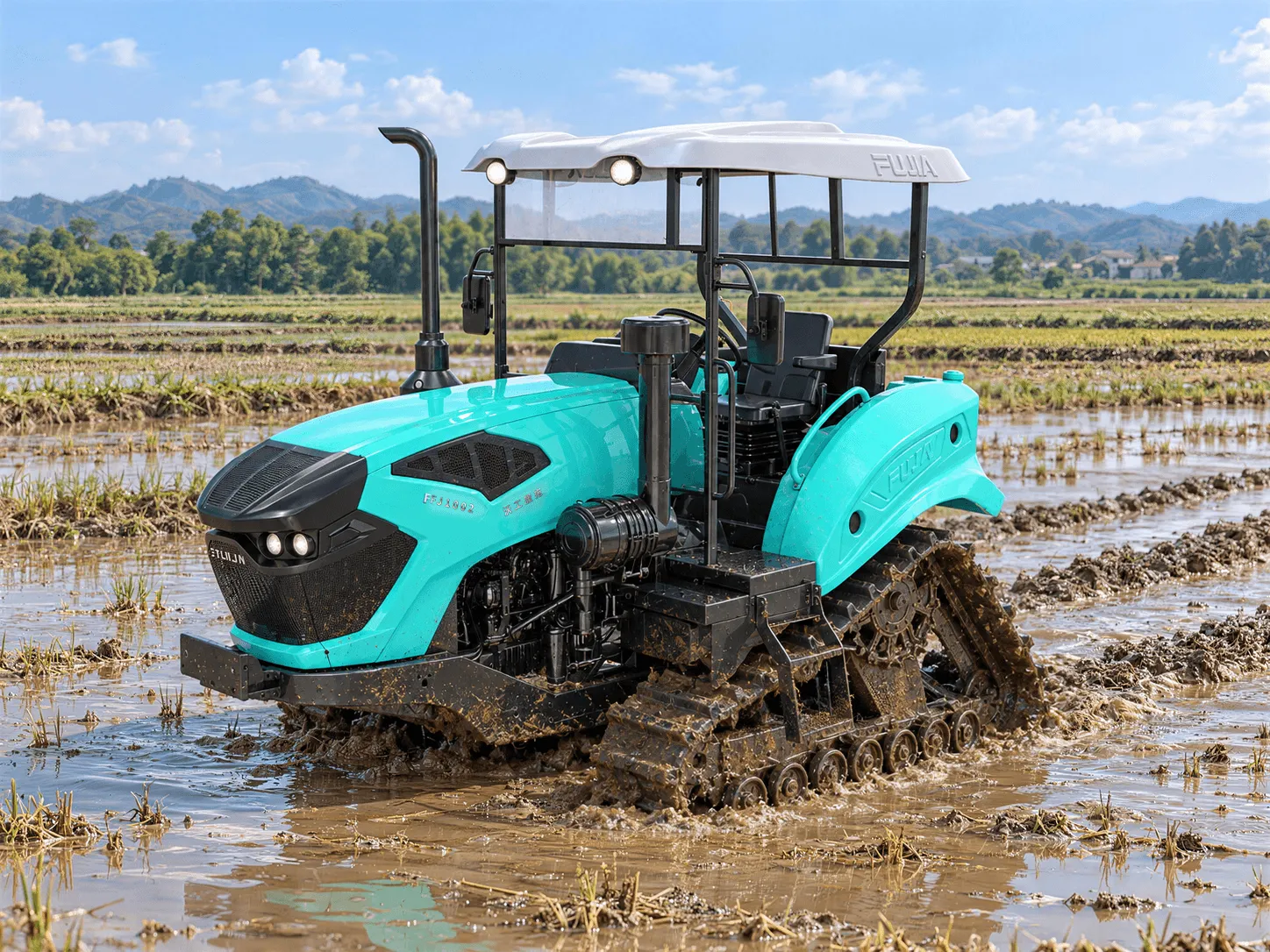
A tracked tractor transfers drive through continuous belts or linked track assemblies running around drive and support components. The contact area spreads the machine's weight across the ground. Depending on machine weight, track dimensions and soil conditions, this can reduce ground pressure compared with some wheeled arrangements. Ground pressure and traction describe different things. A machine may distribute its weight over a broad area yet still lose grip on a slippery surface. Track tread, soil strength and the load being pulled all affect movement. Steering also changes how the undercarriage interacts with the ground. Some tracked machines turn by creating a difference in speed between the two sides; the exact arrangement must come from the model documentation. Tight turns can disturb soil or crop margins even when straight travel leaves a lighter footprint. Agricultural Machinery Manufacturer & Supplier states an intelligent R&D focus, but the supplied brand information does not identify a particular track system. These principles explain the product category without implying that an offered machine has rubber tracks, a specific transmission or a documented ground-pressure rating.